
Starlink almost never runs a sale. This month it is, and the clock on it is short: sign up by November 30, and new customers get 30% off Roam plans — and 30 to 50% off Residential plans in select areas. The Mini kit is $149, down from its usual $249.
What the Roam discount actually costs
Roam 100GB drops from $55 to $38.50 a month. Roam 300GB goes from $80 to $56 — one dollar more than the regular price of the 100GB plan, which makes it the better buy if you stream at all. Roam Unlimited falls from $175 to $122.50, saving $52.50 a month. All three plans include in-motion use, and every Roam plan can be paused month to month.
The part worth reading twice: Starlink’s checkout FAQ says the reduced price stays on your plan and doesn’t expire after a set number of months. Starlink can still change the price later, but it has to give you 30 days’ notice. That’s better than the usual “first three months” promo — if you sign up before the 30th, the discount is yours to keep as long as the plan stays active.
The fine print that decides whether you get it
It’s for new customers, and it depends on your address. Residential discounts run 30% in cities like San Francisco, Albuquerque, Milwaukee and Denver, and 50% in Boston, Fargo, Concord and Providence — Boston’s 100 Mbps plan drops to $27.50. The Roam discount looks broader, but Starlink has said it can stop offering it in an area early if enough people sign up to fill local capacity. The only way to know your price is to enter your address on starlink.com and look at the monthly price under “Service”, not the total due at checkout.
Two things to check before you order. First, the $0-upfront kit on discounted Residential orders is a rental — cancel and you have to send the dish back. Second, if you park the RV for winter and usually pause your plan, ask Starlink whether the discounted rate survives a pause: Starlink’s own pausing guide says promotional offers can be excluded from Standby Mode, and the November FAQ leaves that question open.
What the sale doesn’t cover
The Mini 2 isn’t part of it. The new battery dish is still invitation-only in the US at $999 bundled with a year of Roam Unlimited, and there’s no standalone price yet. If you’re weighing the two, the math is simple: the original Mini at $149 plus a discounted Roam plan is the cheapest way into Starlink travel internet right now, and the Mini 2 is a different purchase for people who specifically want the built-in battery.
The part Starlink doesn’t put in the box
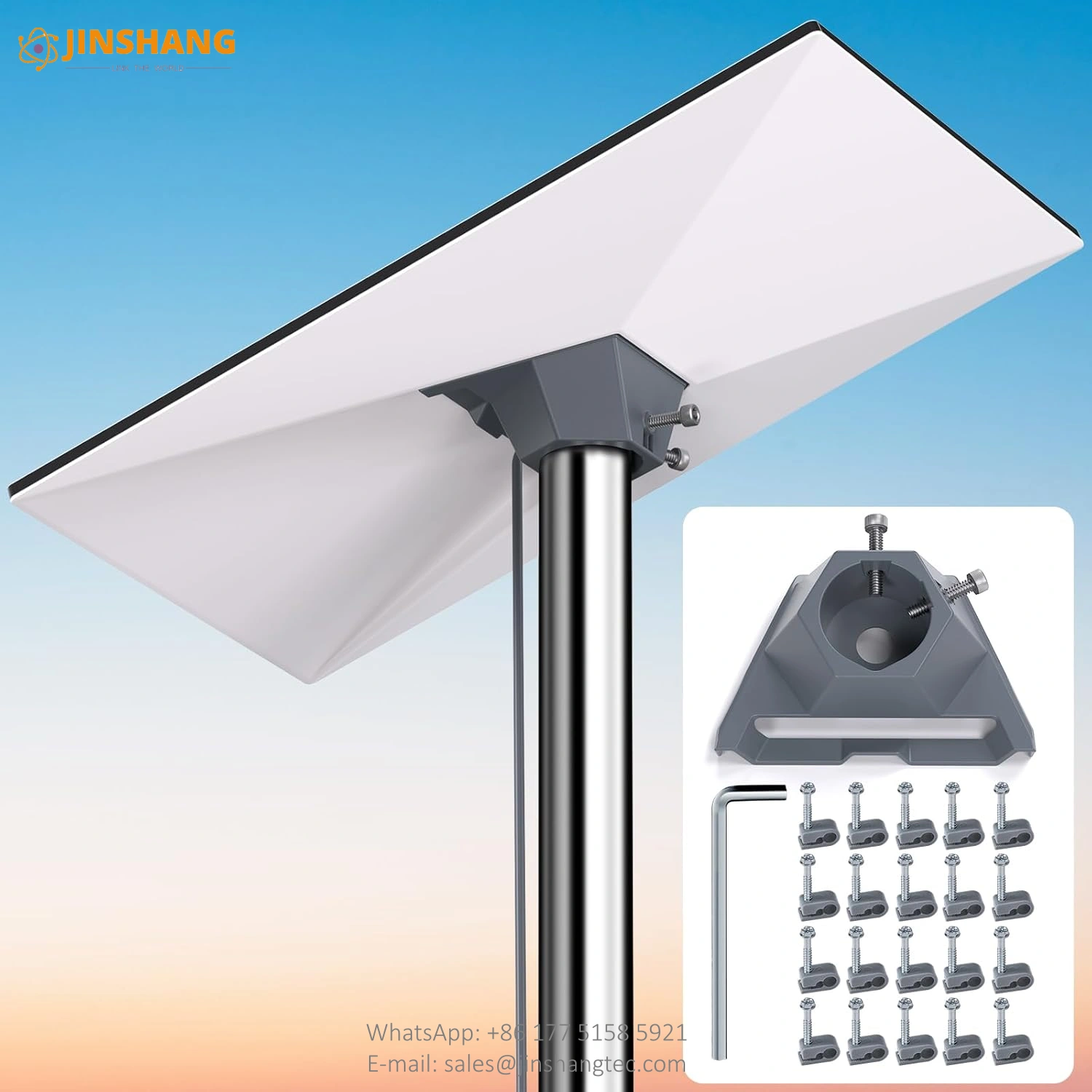
A sale price on the dish and the plan is only half the setup. The kit ships with a short cable, and the dish still needs a clear view of the sky — which, at a campsite, usually means the dish sits away from the rig, not on top of it. That’s the part to sort out before the first trip: a longer cable so the dish can sit in the clearing while the router stays inside, and clean power for the Mini — a USB-C PD cable that actually delivers 100W, or a DC cable straight off the RV battery instead of running an inverter all day. Our Gen 3 replacement cable comes in 2, 10, 15, 23, 30 and 46 m, shielded (CAT5e FTP, 24 AWG, 1 Gbps), so the run goes the proper way round the RV instead of the shortest way across the roof.
Sources: SatellitePlan, “Starlink’s November sale takes 30-50% off Residential and Roam: what to know before you buy” (6 Nov 2026); CamperFAQs, “Starlink offers 30% off Roam plans through November 30” (6 Nov 2026); Notebookcheck, “Starlink cuts Roam plan fees as it prices Mini 2 launch bundle at $999” (Nov 2026).
